Do I Have to Disclose That?
Do sellers have to disclose that? Learn what Washington State's Form 17 requires you to tell buyers about house defects (leaks, rot) and what you don't have to share (murder, ghosts). Plus, why lying is expensive!
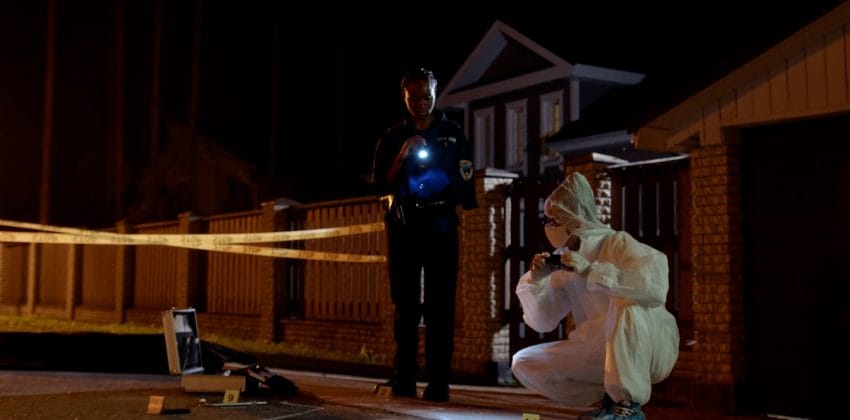
Sellers ask, do I have to disclose that to the buyer of my house? The list of what does and does not have to be disclosed is… interesting! At least to a real estate nerds like us.
The Mighty Form 17
Do I have to disclose that? Sellers in Washington (besides banks or estates) must fill out a Seller Disclosure Statement, known as the Form 17. It is basically six dense pages of yes or no questions… with “don’t know” and not applicable” thrown in for good measure. The questions relate to the history of the propery… pretty much during your ownership; things that have gone wrong or are in the process of going wrong… or even things that are very wrong today. It’s not a blood oath – just a good faith representation of defects the seller knows to be true about he house. You don’t have research or hire an inspector to confirm your “no” reply.
But what does “defect” mean?
Not All Scary Things Are Defects
The Disclosure Statement pays no mind if your house hosted a séance, a satanic ritual, or the odd ghost appearance. These things do not need to be disclosed in Washington:
- Murder
- Suicide
- Death by natural causes
- Sex offenders in the area
- Gang activity in the area
- That time someone swore they experienced a poltergeist in the upstairs guest room!
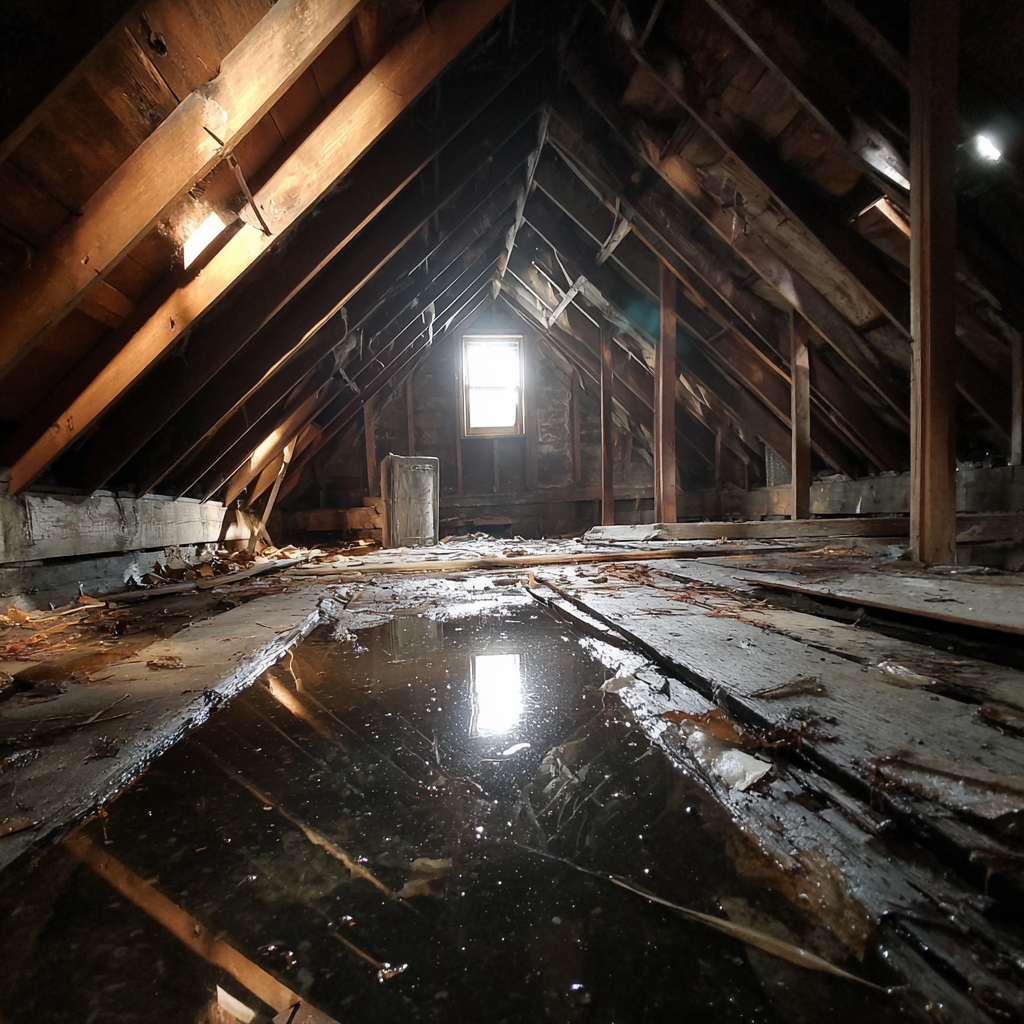
Why? Because these aren’t legally defects in the house. This form is more concerned if something tangible is going awry… like rotting floor joists or a leaky roof! Disclose that. But if someone once shuffled off this mortal coil in the garage? Legally irrelevant!
So here is an area where “buyer beware” still applies… Do a little research! Google the address. Knock on a few doors and speak with neighbors. They are a wealth of information.
What Agents Can Say (and Not Say)
If you ask your real estate agent directly—“Did someone die here?”—they’re not supposed to lie. But they also don’t have to volunteer that info. Remember, the agent’s fiduciary duty is to the seller, and casually dropping ominous trivia could harm the seller’s interests and run afoul of the fiduciary relationship created between Broker and seller.
That said, I once helped a seller whose father had died by suicide in the home at age 93. After some discussion, she chose to disclose it. Her reasoning? “Better they hear it from me than from the Gladys Cravitz down the street.” The buyer appreciated the honesty and is still living there over a decade later. She loves her house!
Lying is Expensive
Here’s where things can get sticky. If a seller flat-out lies about a known defect—say, the roof leak that they patched last month and didn’t mention—there can be legal consequences. It can play out like this:
Buyer: “Hey, there’s water in the crawl space.”
Contractor: “Oh yeah, I told the previous owner about that two months ago and they told me they would let the next owner figure that out later, LOL.”
Buyer: calls attorney
If a seller knowingly withholds that kind of info, the buyer might sue!
Our Advice: When in Doubt, Disclose
It’s easier for a buyer to forgive a flaw if they learn about it while they’re falling in love with the house than after they’ve moved in and found a surprise. Transparency up front is valuable to protecting your future self!
Want the full breakdown of what sellers do have to disclose? We’ve got you covered. Request the full Form 17 cheat sheet and we’ll send it your way.
Billy Joel lamented the lack of Honesty in this world. Form 17 is NOT the place to prove that song.